



PLL
Primary Lens Luxation
| Nimi: | Primary lens luxation (PLL) |
|---|---|
| Geenin sijainti: | ADAMTS17 |
| Kromosomi: | 3 |
| Mutaatio: | c.1473+1G>A |
| Oireyhtymä: | Oftamologinen |
| Periytymismekanismi: | Autosomaalisesti resessiivinen |
| Testityyppi: | Suora mutaatiotesti |
| Tyypillinen sairastumisikä: | 20 months => Complete PLL in 3-8 years. |
Huom. Yllä olevat tiedot koskevat tiibetinterriereillä esiintyvää geeniä.
| Yleistä tietoa | ||||
|---|---|---|---|---|
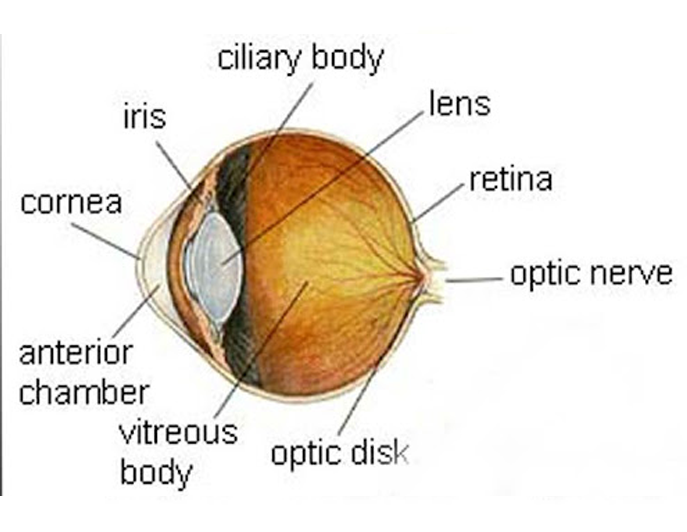
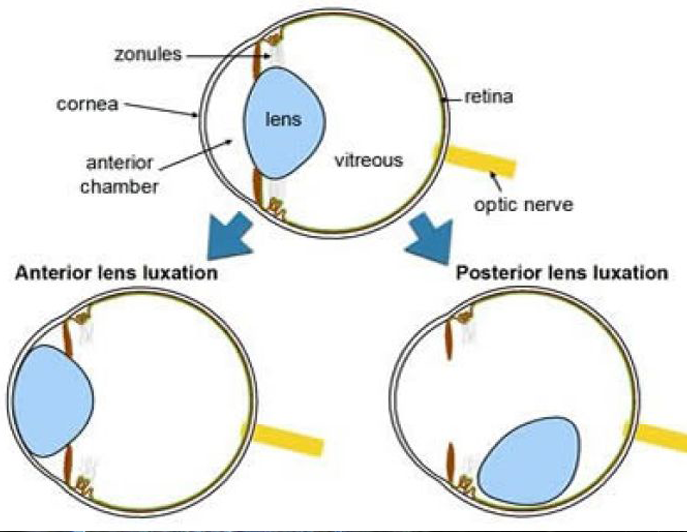
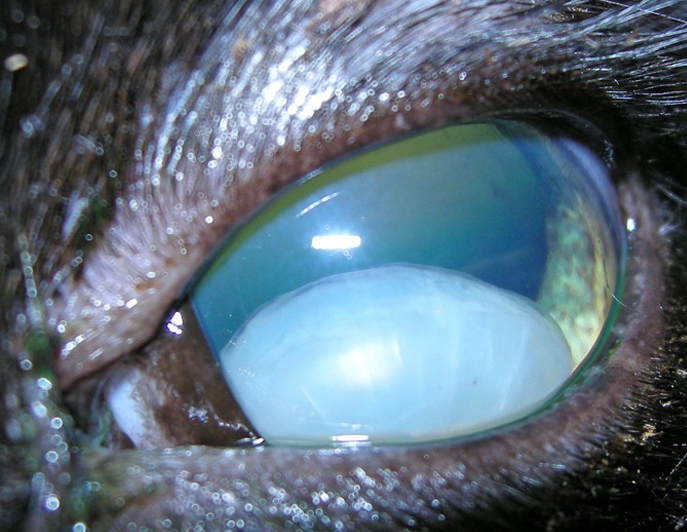
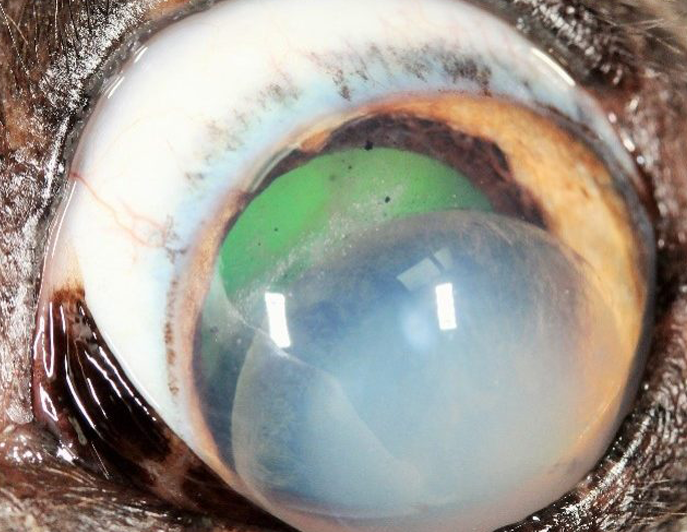
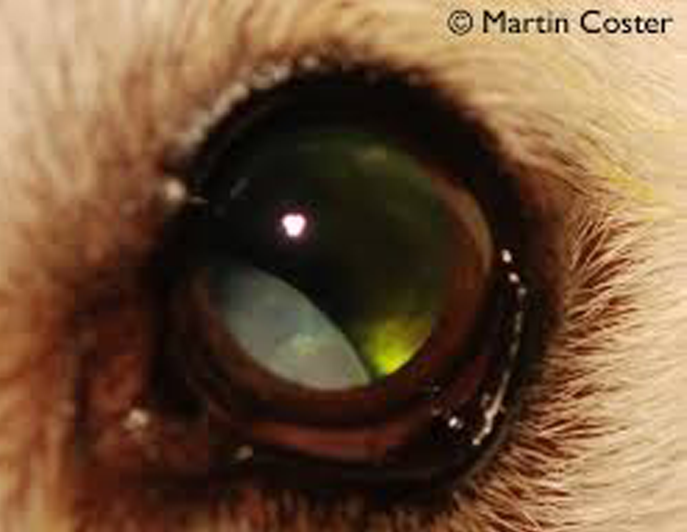
Primary Lens Luxation (PLL) is a blinding, and highly painful. It occurs when the delicate, tiny fibers (zonules) that hold the eye's lens in place weaken and break down, causing the lens to shift from its normal position. Primary Lens Luxation (PLL) is an eye condition in which the lens detaches from its normal attachments, leading to displacement (luxation), inflammation, glaucoma, and potential blindness. In affected dogs the zonular fibres which support the lens breakdown or disintegrate, causing the lens to fall into the wrong position within the eye. | ||||
| Kliiniset oireet | ||||
|---|---|---|---|---|
Please note that symptoms and age-frames may also be of other types and may differ from those mentioned above. | ||||
| Sairastavuus | |||
|---|---|---|---|
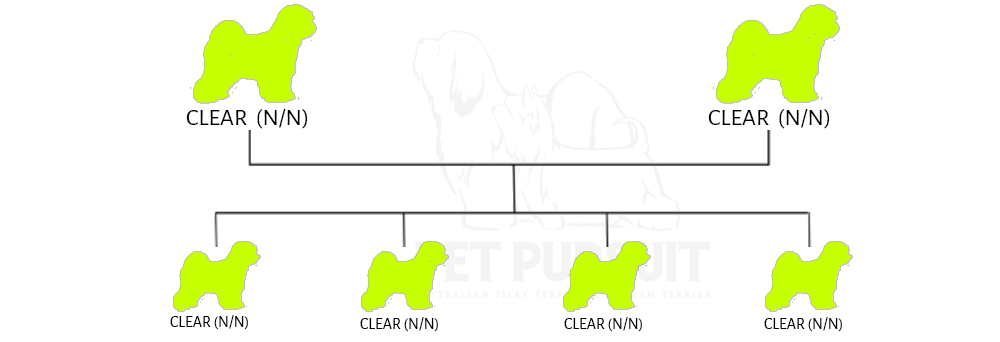
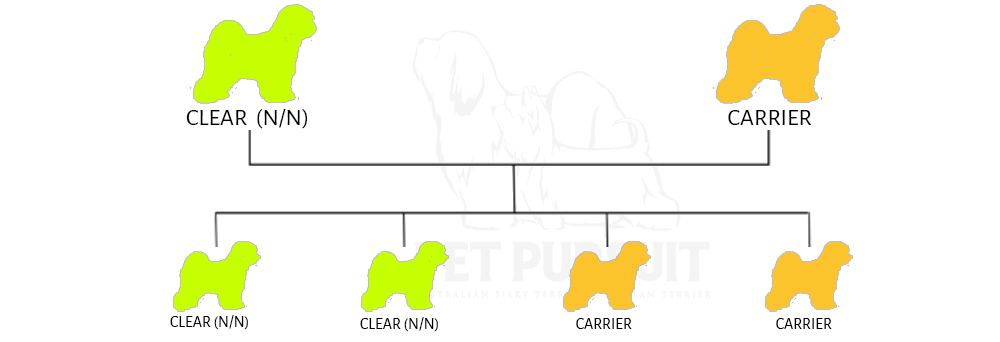
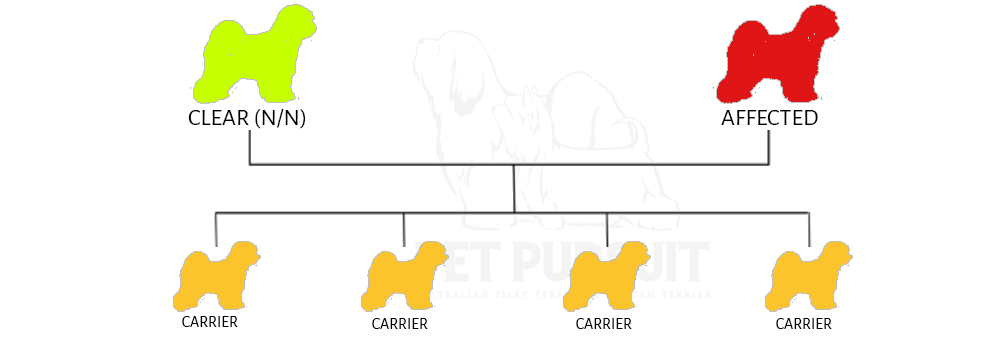
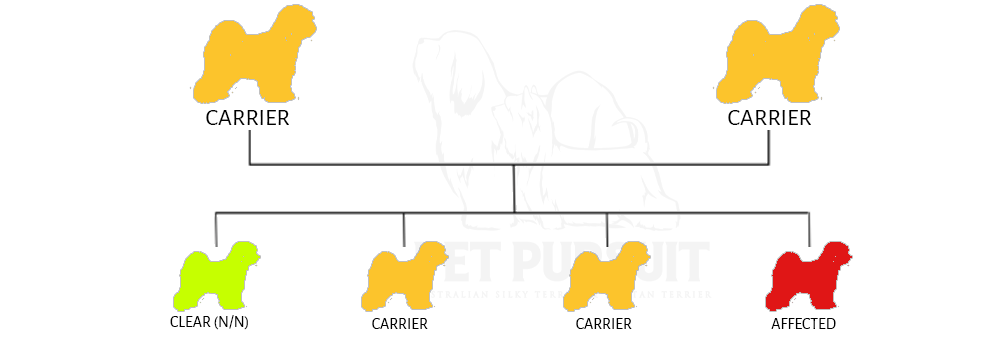
CLEAR / N/N  | CLEAR / N/N = Dogs with N/N genotype will not have this variant of primary lens luxation. In most cases heterozygous carriers are healthy. | ||
CARRIER / N/PLL  | CARRIER / N/PLL = Dogs with N/PLL genotype are at slight risk of developing primary lens luxation and are carriers. With regard to the data found, a small percentage of PLL-carriers become ill; the disease develops in 2 to 20% carriers of the mutation (the assumption is rather close to the lower limit). | ||
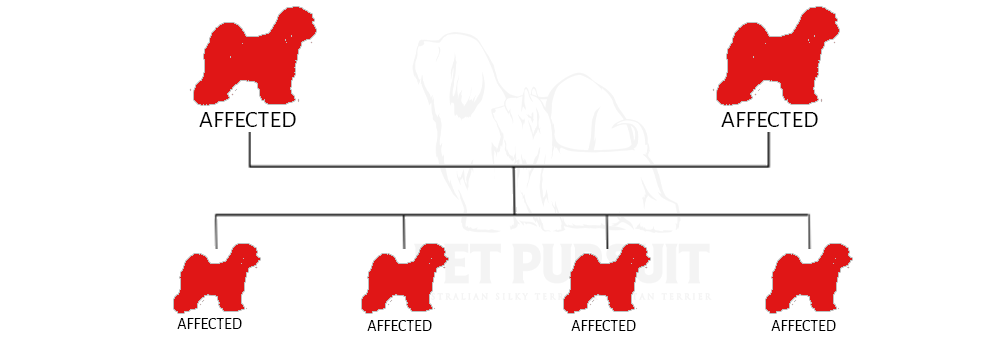
AFFECTED / PLL/PLL  | AFFECTED / PLL/PLL = Dogs with PLL/PLL genotype will have or are at high risk of developing primary lens luxation, a painful condition that can lead to blindness if untreated. | ||
| Periytyminen | |
|---|---|
 |  |
 |  |
 | |